What if future CBAM‑style timber compliance could become an opportunity for your business – not just a regulatory hurdle?
Timber producers, importers, and supply chain managers are preparing to meet the European Union’s evolving carbon and sustainability requirements using digital, business-friendly tools. Ecochain’s accessible LCA automation transforms product impact reporting, enabling teams to confidently trace emissions and align with future carbon adjustment policies under the European Green Deal. This guide shows how your organization can build regulatory strategies for sustainable wood trade – without needing to be a carbon accounting expert.
CBAM compliance timber: Fundamentals and regulatory drivers
While CBAM currently applies to high-emission materials like steel, cement, and aluminum, similar carbon accounting principles are influencing the timber sector. Timber producers are increasingly expected to meet comparable sustainability and emissions transparency goals aligned with the European Green Deal.
The Carbon Border Adjustment Mechanism (CBAM) was designed to ensure that high-emission imported goods – such as cement, steel, aluminum, fertilizers, electricity, and hydrogen – meet the same environmental standards as those produced in the EU. Although timber is not yet included, the policy framework signals how carbon border adjustments could evolve for carbon-intensive trade sectors in the coming years.
The regulatory framework for forest compliance is part of the European Green Deal, which sets the ambitious goal for Europe to become climate-neutral by 2050. CBAM supports this target by addressing carbon leakage – where production might move to countries with less strict climate policies – by applying a carbon border adjustment in the currently covered sectors. Similar principles are increasingly shaping expectations for transparency and emissions management in the wood sector.
For timber importers and supply chain managers, future CBAM compliance and broader EU sustainability rules for timber could mean new duties:
- Tracking and reporting the embedded emissions of timber products entering the EU market
- Meeting evolving sustainability benchmarks and reporting formats
- Engaging with suppliers to gather primary emissions data and documentation
These policy shifts in wood commerce reshape global trade flows. Businesses must now demonstrate that imported timber matches EU environmental and climate standards or face additional costs through the potential future carbon pricing or adjustment mechanisms for timber.
Supply chain and regulatory teams need to stay ahead of these shifts by building robust data collection processes, engaging with digital reporting tools, and fostering supplier collaboration. Understanding these fundamentals is critical to ensuring compliance, minimizing risk, and supporting long-term competitiveness as the regulatory landscape evolves.
How CBAM might impact the timber supply chain and timber trade in the future
CBAM and related EU climate policies are already reshaping trade conditions for carbon‑intensive materials, and similar expectations are emerging for timber. While there is currently no carbon border charge on timber, growing disclosure and sustainability requirements are starting to influence pricing and competitiveness across the wood supply chain.
Companies importing timber must address new duties:
- Calculate and declare embedded carbon emissions for each timber shipment
- Align reporting with evolving timber‑related regulation and CBAM‑inspired carbon disclosure expectations
- Benchmark products against stricter sustainability standards
Exporters from regions with less strict climate policies are now at a disadvantage. The sector impact of carbon border policies means these exporters must invest in emissions measurement and data transparency or risk losing access to the EU market. Scenario planning and supply chain adaptation become critical, as trade flows shift to favor suppliers who can provide robust emissions data and meet new compliance thresholds.
Global wood export standards are evolving in response. Timber producers must update processes to address both potential future carbon pricing or adjustment mechanisms for timber and new sustainability documentation. Regulatory and compliance professionals now play a central role in navigating these policy shifts, maintaining supply chain resilience, and protecting margins as the regulatory environment continues to evolve.
Life cycle assessment (LCA) and carbon footprint reporting for future CBAM compliance timber
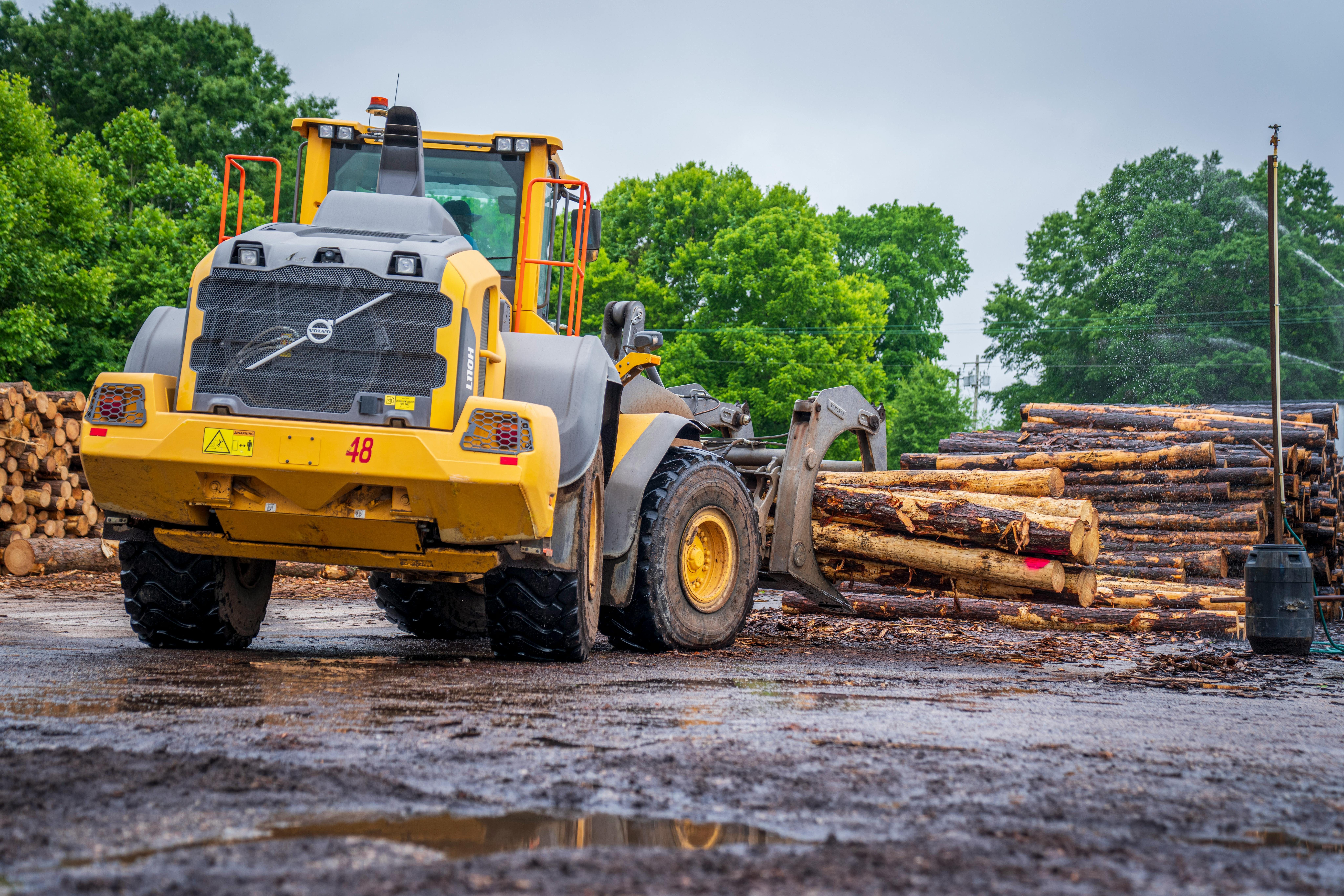
Life cycle analysis for wood forms the backbone of carbon accounting in the wood industry and will be essential if future CBAM‑style mechanisms are extended to timber.
Regulatory compliance now requires that every timber product entering the EU market is backed by transparent, standardized emissions data across its full life cycle. This means business users must demonstrate clear reporting for each phase: raw material extraction, manufacturing, transportation, product use, and end-of-life treatment.
Product carbon footprint in forestry starts with primary data collection. For example, many structural softwoods typically store on the order of several hundred kilograms of CO₂ per cubic meter (often in the 600–800 kg CO₂ range, depending on species and density). When calculating emissions, extraction contributes around 12 kg CO2, and transport adds roughly 17 kg CO2 per piece, depending on distance and logistics. These data points feed into Environmental Product Declarations (EPDs) that follow internationally recognized emission standards for wood products.
Meeting emissions reporting standards for timber involves mapping inputs to LCA modules:
- A1-A3: Raw material extraction, transport to manufacturer, and manufacturing
- A4: Delivery to site
- B1-B7: Use phase and maintenance
- C1-C4: End-of-life (deconstruction, recycling, energy recovery)
- D: Reuse, recovery, recycling potential
Sustainably managed forests certified by FSC or PEFC allow business users to claim negative biogenic carbon values in carbon accounting. This is only possible when the timber source can be verified with robust chain-of-custody documentation. The verification process for wood emissions relies on traceable supply chain data and third-party validation.
Digital solutions dramatically improve traceability and efficiency. Product passports, blockchain tools, and mass balance systems simplify emissions data gathering and automate the verification process for wood emissions. These platforms support accurate reporting, reduce administrative burden, and provide auditable records for regulators.
| LCA Stage | Emissions (kg CO2) | Key reporting requirement |
|---|---|---|
| Raw Material Extraction (A1) | ~12 | Primary data from supplier |
| Transport (A2, A4) | ~17 | Logistics and route documentation |
| Manufacturing (A3) | Variable | Factory energy and process data |
| End-of-life (C1-C4) | Variable | Recycling, energy recovery validation |
Accessible automation and digital‑first product impact reporting help business users meet emissions standards today and prepare for potential future CBAM‑style requirements for timber products.
Best practices for achieving future CBAM compliance in the timber industry
Early embodied carbon assessment is the foundation of eco-friendly wood compliance. By calculating a product’s carbon footprint at the design stage, R&D and product development teams can make informed decisions that align with emission reduction planning in timber. This proactive approach reduces risk and supports integrated sustainability in the wood sector.
Responsible sourcing is essential. Using timber certified by FSC or PEFC ensures raw materials come from sustainably managed forests. Only timber with verified chain-of-custody can be used in carbon mitigation strategies in timber, and only then can negative biogenic carbon values be claimed in emissions reporting.
Supply chain traceability in forestry is critical for accurate data collection and regulatory confidence. Operations and supply chain managers need to:
- Map supplier networks and document all inputs for each timber product
- Collect primary emissions data from upstream suppliers
- Maintain digital records for certification and compliance audits
- Engage suppliers to close data gaps and improve reporting quality
Digital-first tools are transforming best practices in wood sustainability. Blockchain solutions, remote sensing, and digital product passports automate data gathering, simplify verification, and streamline compliance documentation. These platforms also enhance transparency, making it easy for regulatory and compliance managers to meet new standards.
Circular economy strategies further support sustainable timber supply chain goals. For example, UK timber initiatives redesigned pallets for reuse, increasing return rates to 80% and cutting transport emissions by 40%. This approach reduces waste and strengthens compliance with evolving eco-friendly wood regulations.
| Best practice | Impact on CBAM compliance |
|---|---|
| Early carbon assessment | Enables emission reduction planning |
| Responsible sourcing (FSC/PEFC) | Supports eco-friendly wood compliance |
| Supply chain traceability | Ensures accurate emissions data |
| Digital-first solutions | Streamlines reporting and verification |
| Circular economy design | Reduces waste and carbon footprint |
Combining these practices builds a sustainable timber supply chain that meets current EU sustainability requirements and positions businesses for any future CBAM‑style obligations on wood products.
Certification, audit, and verification processes for CBAM timber
Robust certification is a core requirement for sustainable timber trade in the EU, and will be essential if CBAM‑style mechanisms are ever extended to wood products. Only timber certified through recognized schemes – such as FSC, PEFC, or ISCC – can be classified as sustainable and be eligible for key carbon accounting benefits. Certification schemes for timber quality ensure that raw materials are sourced responsibly and traceable through the entire supply chain.
Audit frameworks in the wood industry are designed to verify that reported emissions and sourcing claims meet regulatory expectations. Eco-audit processes in wood production focus on:
- Validating primary emissions data from suppliers
- Confirming supply chain transparency and traceability
- Assessing compliance with documentation and chain-of-custody requirements
- Reviewing digital product passports and supporting records
Digital-first solutions are central to accurate reporting. Product passports and mass balance systems automate emissions data collection and connect with national or EU registries for streamlined submission. This minimizes manual errors and provides an auditable trail for regulators.
National and EU authorities conduct regular performance audits in forestry compliance. These reviews examine both documentation and on-the-ground practices to ensure wood emissions data and sustainability claims are robust. Companies that maintain up‑to‑date certification, transparent records, and digital verification processes can confidently demonstrate compliance with current EU timber‑related rules and will be well‑prepared for any future CBAM compliance rules.
| Process step | Purpose | Key tools |
|---|---|---|
| Certification | Prove sustainability and eligibility for carbon benefits | FSC, PEFC, ISCC |
| Audit | Verify emissions and supply chain data | Eco-audit frameworks, supplier records |
| Verification | Demonstrate compliance and transparency | Product passports, mass balance systems |
| Performance Audit | Regulatory review of reporting and practices | National/EU authority oversight |
Industry case studies and insights: Timber compliance in practice
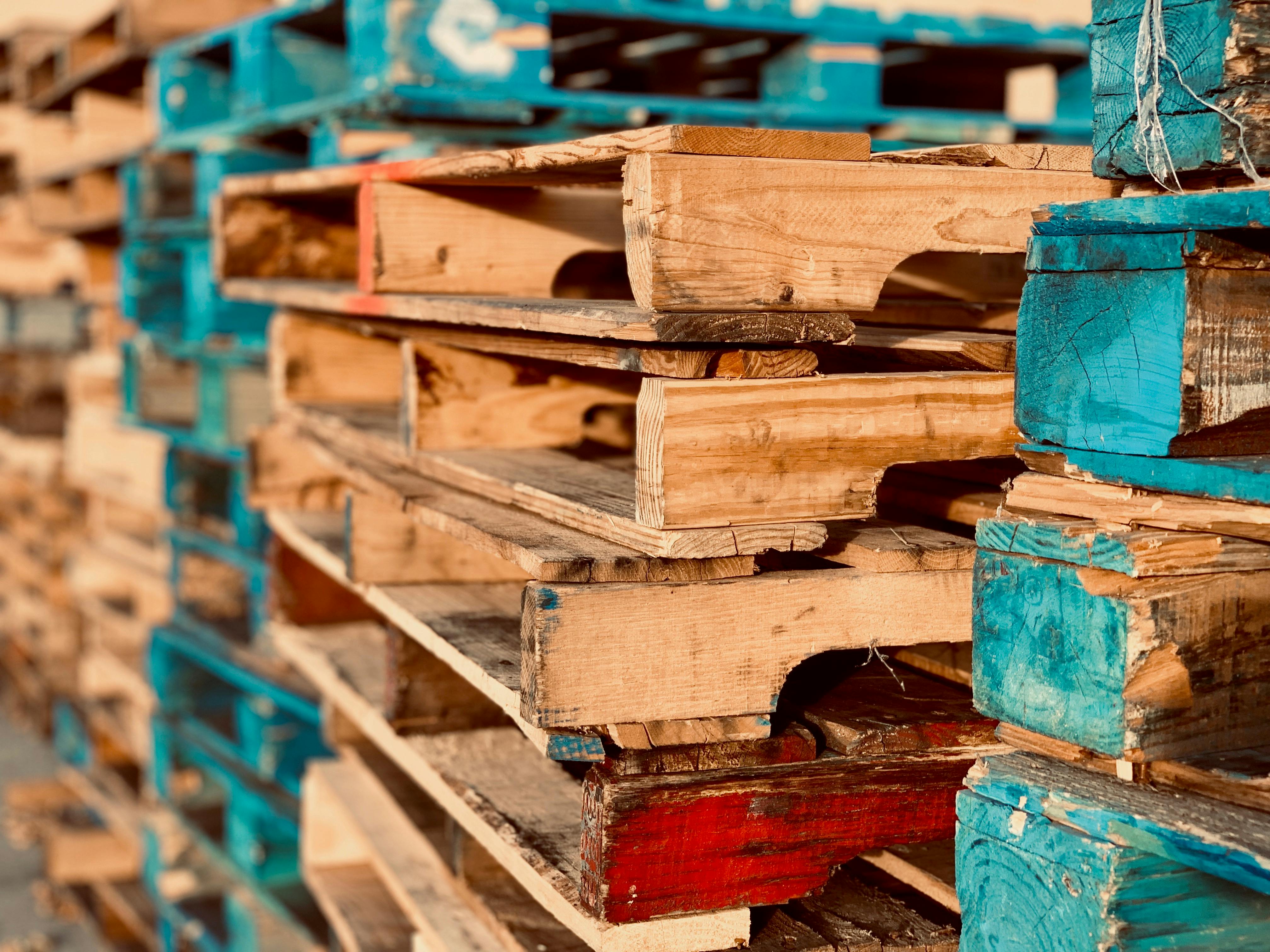
Competitive advantage in sustainable timber is now shaped by industry sustainability benchmarks for wood and data-driven compliance. The UK timber market offers clear evidence: with annual consumption at 14.7 million cubic meters and 37–39% sourced domestically, supply chain resilience and strategic compliance in forest commerce are essential.
Operational teams in the built environment are leveraging timber’s decarbonization potential. Each piece of softwood stores around 750 kg CO2, supporting the UK’s target to cut emissions by 80–81% by 2035. Projects using responsibly sourced and eco-certified practices for wood exports demonstrate measurable sustainability impacts on wood trade – these projects are driving market preference and regulatory confidence.
Dynamic market shifts in wood commerce are creating new expectations. Companies that implement digital traceability and robust chain-of-custody workflows can prove compliance quickly and protect access to the EU market. Regulatory teams highlight that suppliers with transparent emissions records and FSC or PEFC certification are now preferred, reducing audit risk and accelerating onboarding.
Circular design is setting the pace for next-generation industry sustainability benchmarks for wood. One standout example is the UK pallet reuse initiative. By redesigning pallets for durability and achieving an 80% return rate, the sector cut transport emissions by 40%. This approach aligns with the EU’s broader climate and deforestation objectives, including EUDR, showing how circularity delivers both compliance and cost savings.
| Strategy | Sustainability impact | Business value |
|---|---|---|
| Responsible sourcing (FSC/PEFC) | Verifiable low-carbon supply chain | Preferred supplier status |
| Digital traceability | Audit-ready emissions data | Faster market access |
| Circular pallet design | 40% reduction in transport emissions | Lower logistics costs |
These strategic compliance measures in forest commerce are shaping dynamic market shifts in wood commerce and reinforcing the business case for proactive, eco-certified practices.
Final words
Companies across the timber sector are actively adapting to new expectations shaped by CBAM, EUDR, and wider EU climate policy.
From potential future carbon pricing or adjustment mechanisms for timber to life cycle assessment reporting, successful teams use LCA automation solutions like Ecochain and certified sourcing to meet high standards and gain market advantage.
Rapid policy changes demand accurate emissions data and strong supply chain traceability for every timber product.
The shift toward sustainable, traceable wood is already transforming business practices.
Confident compliance with EU timber regulations – and preparation for possible CBAM‑style extensions – opens new growth and partnership opportunities in the evolving wood market.
FAQ
What is CBAM and how does it apply to timber?
CBAM stands for Carbon Border Adjustment Mechanism, a regulation that currently applies to imports of cement, iron and steel, aluminium, fertilizers, electricity, and hydrogen. Timber is not yet included, but its trade is increasingly shaped by related EU policies such as the EUDR and CSRD.
What materials are covered by CBAM?
CBAM currently covers cement, iron and steel, aluminum, fertilizers, electricity, and hydrogen. Timber is not yet part of CBAM’s scope, but carbon footprint reporting and sustainability documentation for timber are increasingly guided by similar transparency expectations.
Who needs to comply with CBAM for timber?
At present, CBAM does not directly regulate timber. However, importers are expected to comply with other EU sustainability rules such as the EU Deforestation Regulation (EUDR) and Corporate Sustainability Reporting Directive (CSRD), which require traceable, low-carbon, and responsibly sourced wood imports.
What are the six categories of CBAM?
CBAM currently lists cement, iron and steel, aluminium, fertilizers, electricity, and hydrogen as the six official categories. Timber and forest products are not covered by CBAM but are subject to other EU sustainability and deforestation‑free requirements.
Is wood considered carbon neutral under CBAM?
Wood from sustainably managed forests can include negative biogenic carbon values, but all emissions, including extraction, processing, and transport, must be reported. Only certified practices count toward carbon neutrality claims under CBAM.
What is required for CBAM timber compliance reporting?
While timber is not currently covered by CBAM, companies can prepare for possible future CBAM‑style rules by using full product carbon footprint reports based on Life Cycle Assessment (LCA) and Environmental Product Declarations (EPDs), verified through recognized frameworks and digital solutions like Ecochain software.
How does the potential future carbon pricing or adjustment mechanisms for timber affect timber trade?
There is currently no border carbon tax on timber. However, growing carbon disclosure and traceability requirements are affecting timber trade economics, pushing companies toward digital reporting and low-emission sourcing to stay competitive.
What are best practices for achieving CBAM timber compliance?
Early embodied carbon assessment, responsible sourcing (FSC, PEFC), complete supply chain traceability, and digital reporting tools are best practices that support compliance and competitive advantage.
What certification and verification steps are needed for CBAM timber?
For timber, EU rules currently focus on deforestation‑free and legally compliant sourcing rather than CBAM. Certification schemes such as FSC, PEFC, or ISCC support traceability and sustainability claims, while third‑party audits and digital reporting frameworks help verify emissions and origin data. If CBAM is extended to timber in future, similar information may need to be reported via the CBAM Portal.
Where can I find a CBAM compliance timber PDF template or report?
CBAM timber compliance templates and reporting guidelines are available through the CBAM Portal, national authorities, and platform providers specializing in automated LCA and emissions reporting.