The timber circular economy is more than an environmental trend. It enables manufacturers to recover resources, reduce landfill costs, and meet stakeholder demands for sustainability. Ecochain helps bring this model within reach for business users, automating environmental footprinting of your products and compliance reporting, and supporting innovation across your timber supply chain. This guide explains the core principles of timber circularity and shows how you can build competitive, compliant, and future-ready operations – no sustainability expertise required.
Timber circular economy: Key concepts and business value
The timber circular economy describes a business approach where timber products and byproducts are kept in productive use for as long as possible through interconnected processes such as reuse, recycling, and resource recovery. In this model, companies design operations and supply chains with the goal of minimizing waste, reducing raw material consumption, and integrating closed-loop resource cycles. For business users, this means shifting from a linear “take-make-dispose” approach to circular supply chains that maximize value at every stage while supporting compliance and sustainability targets.
Timber stands out as a natural fit for circular frameworks. As a renewable resource, timber can be responsibly sourced, reused, remanufactured, and recycled multiple times without losing core structural value. Waste valorization strategies – such as converting end-of-life timber into new products or energy – are widely proven, making timber packaging, pallets, and building materials ideal candidates for closed-loop resource cycles. Responsible sourcing, together with efficient design and lifecycle management, allows organizations to meet both economic and environmental goals.
Adopting the timber circular economy brings measurable business advantages. Companies benefit from reduced landfill costs, lower resource input, and a smaller environmental footprint. Integrating circular frameworks can streamline regulatory compliance, such as meeting product stewardship and extended producer responsibility standards. Businesses positioned with strong circular supply chains can access new markets, respond quickly to shifting regulations, and demonstrate leadership in sustainability – all without needing deep sustainability expertise.
Core concepts in the timber circular economy:
- Reuse of products and materials wherever possible
- Remanufacturing to restore and upgrade product value
- Recycling timber waste into new raw materials
- Resource recovery from byproducts and residues
- Product lifecycle extension through design and maintenance
- Closed-loop systems that keep timber in use and out of landfill
Sustainable forestry practices in the timber circular economy
Sustainable forestry practices form the backbone of the timber circular economy. Business users benefit from responsible timber sourcing, which keeps supply chains resilient and supports long-term access to renewable materials. By integrating resource stewardship models, companies can reduce risks related to deforestation, biodiversity loss, and regulatory non-compliance – all while maintaining a reliable flow of raw materials for manufacturing and packaging.
Efficient forest residue management and ecosystem resource recovery unlock new value streams. Instead of leaving forest biomass or residues unused, organizations can repurpose these resources for high-value products, further closing the loop. Industry certifications like Chain-of-Custody and ISPM15 provide traceability, helping companies demonstrate compliance and responsible sourcing. Forest carbon management and ecosystem impact tracking are critical for meeting regulatory requirements and stakeholder expectations.
| Practice | Circular benefit |
|---|---|
| Selective harvesting | Reduces ecosystem disruption and supports forest regeneration |
| Residue collection | Turns leftover biomass into new products, minimizing waste |
| Certification (e.g., Chain-of-Custody) | Enables traceable, responsible sourcing across the supply chain |
| Replanting programs | Secures renewable material sourcing and carbon uptake |
| Biomass optimization | Maximizes forest resource utilization for energy and materials |
Waste reduction and valorization strategies for timber products
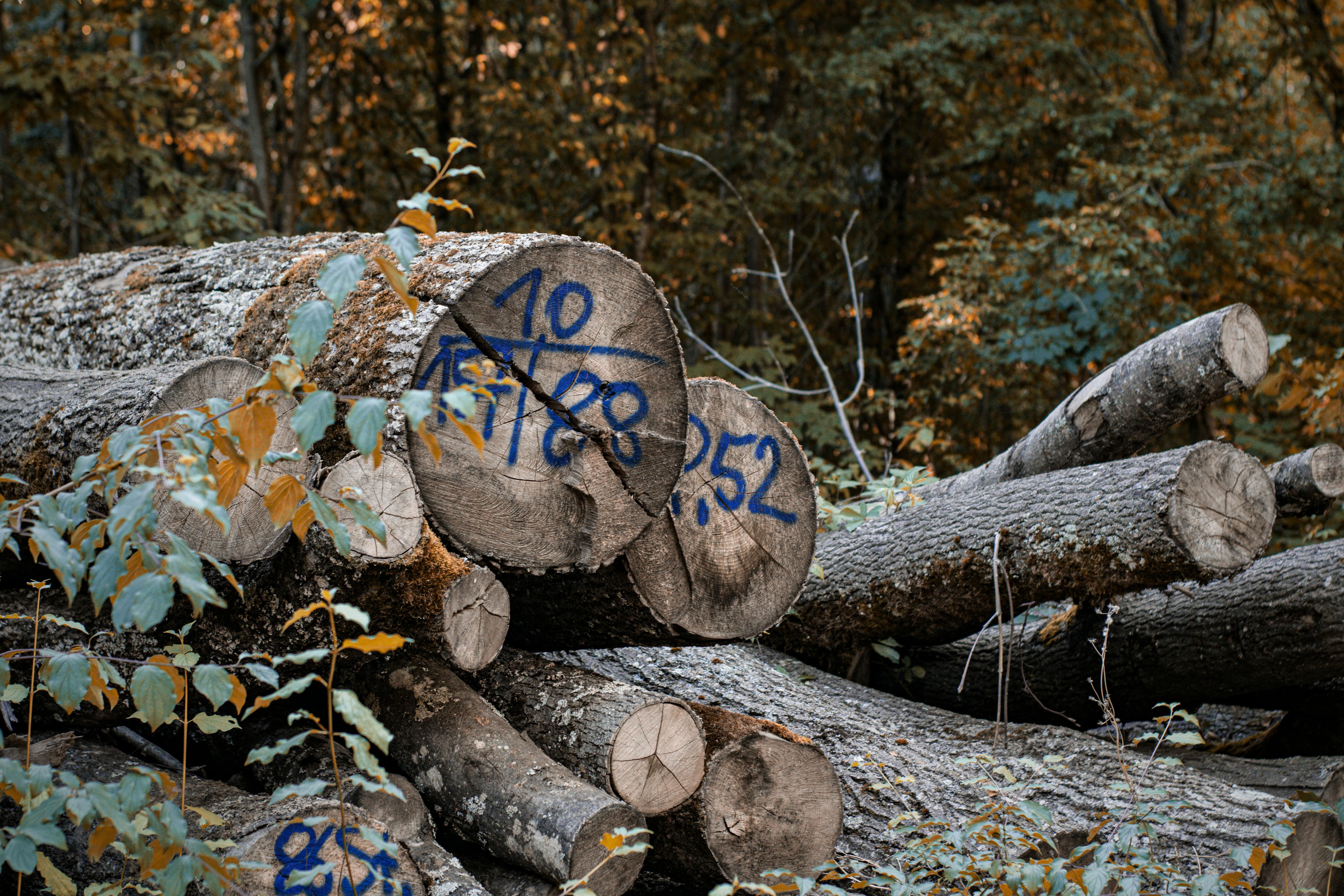
High landfill costs – often USD $100 to $200 per ton depending on region and material type – make timber waste management a critical issue for manufacturers and suppliers. Australia generates approximately 5 million tonnes of timber waste each year (National Waste Report 2022), mainly from construction and demolition sectors. This is pushing organizations to adopt waste valorization strategies that convert byproducts and residues into useful resources. Economic pressures, stricter environmental regulations, and the need to minimize production waste drive companies to rethink how they handle end-of-life timber from construction, manufacturing, and supply chain activities.
Innovation in waste-to-resource conversion is delivering measurable business value. Initiatives now repurpose reclaimed timber – such as vineyard posts and construction debris – into new products for landscaping, fencing, and temporary supports. Even when up to 30% of reclaimed posts are rejected for length, the remainder meets the requirements for lower-stress applications.
Key steps in successful residue-to-resource conversion include mapping, material collection, and sorting, which lay the groundwork for industrial upcycling methods and green waste reprocessing.
- Material sorting and quality assessment
- Remanufacturing of offcuts and used components
- Upcycling reclaimed timber into value-added products
- Conversion of residues into engineered wood composites
- Local reuse and redistribution for low-stress applications
Lifecycle assessment and environmental footprint in the timber circular economy
Lifecycle impact assessment empowers business users to quantify the environmental footprint of timber products at every stage – from sourcing and manufacturing to end-of-life. With environmental indicator tracking and material footprint analysis, teams can make data-driven decisions that align with both compliance and sustainability goals. Lifecycle data analysis supports cradle-to-cradle strategies by identifying opportunities for reuse, remanufacturing, and recycling, allowing companies to optimize processes without complex sustainability expertise.
Product-level LCA is especially valuable when comparing new and reclaimed timber. For example, a furniture manufacturer can use green lifecycle metrics to evaluate the impact of sourcing virgin timber versus using reclaimed wood. The analysis often reveals that reclaimed timber significantly reduces carbon emissions, energy use, and landfill waste. Documenting these results with standardized environmental footprint analysis and product passports helps demonstrate compliance, supports transparent reporting, and builds trust with customers and regulators.
- Streamlines regulatory compliance with measurable, traceable results
- Increases transparency for supply chain partners and customers
- Supports product optimization by identifying environmental hotspots
- Enables reliable sustainability reporting for stakeholders and investors
Case studies: Timber circular economy in action
Australia’s national center for timber circularity demonstrates the business impact of turning end-of-life timber waste into new resources. By mapping and analyzing waste streams – such as utility poles, vineyard posts, and frame offcuts – the center connects supply chain partners with recycling and reuse opportunities that drive reclaimed material innovation.
A vineyard post reuse pilot addresses the challenge of 4 million vineyard posts reaching end-of-life each year. Most posts are removed from just eight wine regions, with more than 25 million stockpiled nationally (WoodSolutions, 2023). Teams collect, sort, and test posts for structural integrity. Those meeting requirements are converted into fencing and landscaping products, providing a second life for treated wood that would otherwise be sent to landfill. While about 30% of posts are rejected due to length or condition, the remainder supplies a growing market for green building components used in lower-stress applications.
A packaging manufacturer leverages reclaimed timber to create robust, compliant shipping solutions. Sourcing certified timber from local residue streams, the company reduces its environmental impact and aligns with chain-of-custody standards. This innovative circular design supports product certifications and attracts customers seeking eco-responsible packaging. The main challenge is ensuring a consistent supply of materials that meet regulatory and performance requirements.
A building materials supplier integrates upcycled construction resources by incorporating reclaimed and bio-based construction materials into its product lineup. By analyzing waste streams and investing in new processing technology, the firm produces upcycled wood panels and components for green building projects. Success depends on market acceptance and the ability to document quality and compliance for large-scale buyers.
| Project | Circular outcome | Key challenge |
|---|---|---|
| Vineyard posts to fencing | Repurposed end-of-life posts for landscaping and fencing applications | Transport, usable length, and market demand |
| Packaging company using reclaimed timber | Certified, sustainable packaging with reduced environmental impact | Material supply consistency and compliance |
| Building material manufacturer with upcycled wood | Green building components from upcycled and bio-based materials | Quality assurance and buyer acceptance |
Regulatory compliance, certifications, and market advantages in the timber circular economy
Meeting regulatory standards and achieving certification are essential steps for business users pursuing circularity in timber supply chains.
Regulatory compliance analysis now goes beyond initial sourcing to cover every stage of a product’s lifecycle, requiring alignment with evolving frameworks like ISPM15 for international shipping, Chain-of-Custody Certification for responsible sourcing, and product passports for transparent material tracking. Compliance framework development must account for regional landfill regulations, which can vary widely – some states enable treated timber reuse, while others require landfill disposal. This complexity means organizations need practical chain transparency methods to track material flows and document compliance throughout their operations.
Aligning with certification standards and regulatory expectations gives companies a measurable advantage. When supply partners and customers see clear evidence of responsible sourcing strategies and adherence to compliance frameworks, trust and preference grow. Market transformation strategies are accelerating as more sectors, such as packaging and construction, standardize circular supply chains and demand certified products. Strategic partnerships support certification processes and open new opportunities for growth in markets that prioritize sustainability. Businesses that demonstrate competitive eco advantages signal readiness for future regulations and build stronger reputations with buyers, investors, and regulators.
- ISPM15 ensures phytosanitary compliance for timber packaging and exports
- FSC® or PEFC Chain-of-Custody provide traceability for responsible timber sourcing
- Product passports to document lifecycle and material flows (product passports are being standardized under the EU’s Ecodesign for Sustainable Products Regulation – ESPR, expected rollout 2027)
- Regional landfill regulations shaping end-of-life management
Future challenges and opportunities in timber circular economy adoption
Market acceptance, logistics, and material quality are the main challenges facing organizations committed to the timber circular economy. Many reclaimed timber streams, such as construction and demolition debris, require improved mapping and sorting methods to guarantee consistent, usable supply for manufacturing. Transport logistics can drive up costs, making it difficult to scale market-driven resource recovery without regional processing hubs. Businesses must also overcome hesitation in the marketplace, as buyers often require documented quality, performance benchmarks, and standardized product specifications before adopting reclaimed or eco-innovative materials. Securing ongoing funding and building industry partnerships are essential for supporting resource recovery and accelerating circularity metrics evaluation.
Opportunities are expanding for organizations ready to lead in renewable innovation ecosystems and supply innovation methods. Scalable solutions include:
- AI-driven material flow mapping
- Lifecycle assessment solutions like Ecochain that make product footprint tracking accessible
- Environmental product declarations (EPDs) and other environmental profiles and product passports for transparent material tracking
- Cross-sector partnerships amplify the reach of operations sustainability practices by pooling expertise and resources
Reclaimed timber is now part of powerful commercial outcomes in packaging, construction, and supply chains. Businesses are reshaping their material strategies by adopting the timber circular economy, turning waste into opportunity. Practical steps – from sustainable forestry to lifecycle assessment – deliver real value and support both compliance and competitiveness.
The future looks promising as new technologies and partnerships unlock even greater potential for the timber circular economy.
FAQ
What is the circular timber economy?
The circular timber economy describes a business model where timber products are reused, remanufactured, recycled, and recovered throughout their lifecycle. This approach reduces waste, extends product value, and supports responsible resource management in manufacturing and construction.
What is the circular economy of wood?
The circular economy of wood means maximizing the use of harvested timber by recycling, reusing, and converting wood waste into new products. This model lowers landfill costs, conserves natural resources, and supports compliance with environmental regulations.
What is the circular economy of mass timber?
The circular economy of mass timber involves reusing, refurbishing, or recycling engineered timber elements from construction, so that structural wood maintains value and avoids landfill. This approach enables sustainable building practices and supports lower material footprints.
What is the circular economy of forestry?
The circular economy of forestry focuses on sustainable timber harvesting, maximizing resource recovery from residues, and ensuring continual regeneration of forests. This model supports long-term resource stewardship and enables supply chain transparency.
How does sustainable forestry support the timber circular economy?
Sustainable forestry underpins the circular economy by following selective harvesting, residue collection, and certification. These practices ensure responsible sourcing, continuous forest regeneration, and efficient material use.
What is waste valorization in the timber industry?
Waste valorization in timber means turning production scraps, demolition debris, and reclaimed wood into new products or resources. Businesses benefit from lower disposal costs, greater resource efficiency, and compliance advantages.
How do lifecycle assessments help timber circular economy businesses?
Lifecycle assessments track environmental impacts across a timber product’s life, supporting data-driven decisions, regulatory compliance, transparent sustainability reporting, and continuous product improvement.
What certifications or standards enable compliance in the timber circular economy?
Key standards include ISPM15 for treated timber, Chain-of-Custody certification, product passports for traceability, and regional landfill regulations that guide wood reuse or disposal.
What are the main business benefits of a circular timber approach?
Businesses see lower material and disposal costs, easier regulatory compliance, new competitive opportunities, and stronger sustainability credentials by applying circular concepts to timber sourcing and use.
What are the biggest challenges for scaling the circular timber economy?
Main challenges include varying regional regulations, logistics for transporting reclaimed wood, ensuring material quality, and achieving broad market acceptance for reused products.
What opportunities exist for businesses adopting timber circular economy models?
Major opportunities include implementing AI-driven material mapping, adopting lifecycle data tools, forming cross-industry partnerships, and building advanced product passport solutions for greater market transparency.