
You can now source FSC-certified timber across your supply chain – without needing a forest management background or endless paperwork. FSC timber certification makes responsible forestry accessible, helping manufacturing teams meet sustainable timber standards and market demands with confidence. This guide explains how the Forest Stewardship Council’s system works, why it matters for your business, and what steps enable manufacturers to choose credible, environmentally responsible wood. Here’s how your team can turn certification requirements into business advantage – while building practical, repeatable compliance at every stage.
FSC timber certification: What it means for sustainable forestry
FSC timber certification confirms that wood and wood products originate from forests managed to the highest environmental, social, and economic standards. The Forest Stewardship Council (FSC), established in 1993, sets these standards to ensure responsible forestry practices that protect ecosystems, support local communities, and maintain economic viability for forest owners and producers.
FSC’s sustainable timber standard addresses three core areas of forest management:
- Environmental protection: Forests must be managed in a way that conserves biodiversity, soil, water resources, and sensitive habitats.
- Social responsibility: Certified forest management respects the rights of workers, local communities, and Indigenous Peoples.
- Economic viability: Forest operations must be financially sound to support ongoing responsible management.
FSC timber certification is a mark of trust for manufacturers and construction businesses. It provides a straightforward way to meet client and regulatory demands for sustainable sourcing. Companies using FSC-certified timber can demonstrate clear accountability in their supply chains, enhance their market reputation, and participate in global green building initiatives.
Organizations that source FSC-certified timber directly support responsible forestry practices, contributing to forest conservation and climate goals while reducing risk from regulatory changes. FSC-certified products are recognized as superior to conventional options for sustainability and business value.
Key benefits for manufacturing and construction companies include:
- Consistent access to responsibly sourced timber
- Alignment with global procurement and green building standards
- Strengthened supply chain transparency
- Market differentiation based on credible sustainability claims
- Reduced compliance risk as regulations evolve
The FSC system empowers business users to make informed decisions that benefit both the environment and long-term business growth.
FSC timber certification criteria and standards for business users
Meeting the sustainable timber standard starts with understanding the core criteria set by the Forest Stewardship Council. FSC certification is recognized globally as a benchmark for responsible forestry practices and certified forest management. Companies sourcing certified timber must be able to demonstrate compliance with strict wood accreditation standards that protect forests, people, and business value.
To earn and maintain FSC certification, forests and supply chains must meet the following prerequisites:
- Manage forests to conserve biodiversity, water, and sensitive habitats.
- Respect workers’ rights, local community interests, and Indigenous Peoples’ rights.
- Maintain economic viability to support ongoing responsible forestry.
- Adhere to a transparent chain of custody for all certified materials.
- Follow FSC standards FSC‑STD‑40‑004 for chain of custody and FSC‑STD‑50‑001 for trademark use.
- Submit to regular audits and provide clear documentation of compliance.
The table below summarizes key FSC timber certification standards and their primary focus areas:
| Standard | Focus area | Requirement type |
|---|---|---|
| FSC-STD-01-001 | FSC Principles and Criteria for Forest Stewardship | Environmental, social, economic framework for forest management |
| FSC-STD-40-004 | Chain of custody | Supply chain traceability for certified materials |
| FSC-STD-50-001 | Trademark use | Rules for using FSC logos and trademarks |
| FSC-STD-20-007 | Forest management evaluations | Requirements for how certification bodies audit forest management operations |
FSC’s strict requirements help businesses confidently demonstrate responsible sourcing and meet both regulatory and market expectations for forest conservation benchmarks.
How the FSC timber certification process works
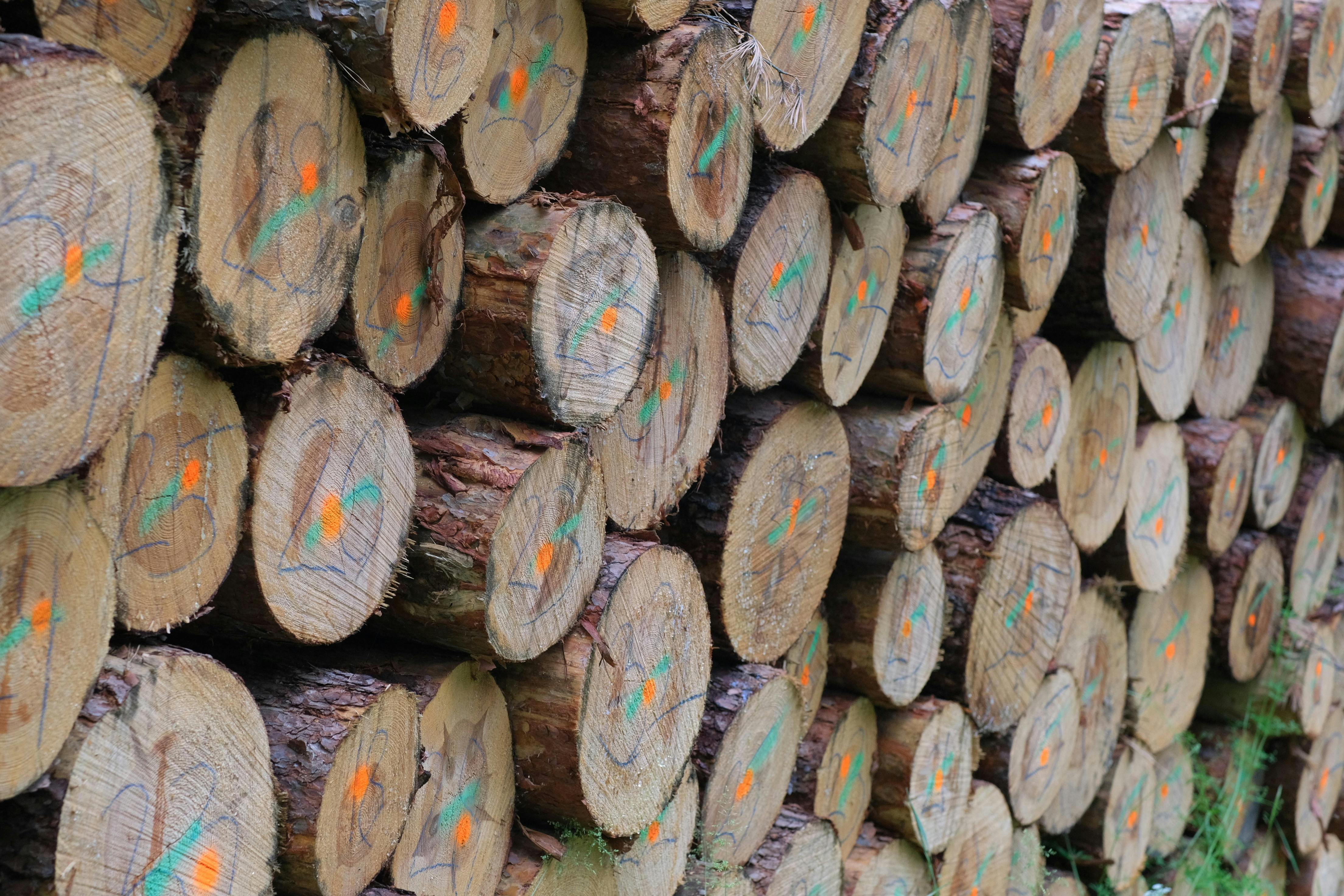
FSC timber certification gives manufacturing teams the confidence to verify that timber products meet strict sustainability requirements at every stage of the supply chain. The eco‐timber process is structured for transparency, traceability, and compliance, making it accessible for business users – not just environmental specialists. Here’s how the FSC timber eco‐certification program operates from start to finish:
- Initial application: The organization submits an application to an FSC-accredited certification body, providing details on forest management or product processing.
- Pre-assessment (optional): Some companies choose a preliminary review to identify any gaps in current practices before the main assessment.
- Main assessment audit: Independent auditors review forest management or manufacturing operations against FSC standards, examining environmental, social, and economic practices.
- Chain-of-custody implementation: The business sets up systems to track certified wood throughout the supply chain, following FSC chain‐of‐custody guidelines.
- Audit report and certification decision: The auditor produces a report. If requirements are met, FSC certification is granted.
- Ongoing surveillance audits: Regular audits verify continued compliance with FSC standards and supply chain traceability.
- Renewal and continuous improvement: Certification is renewed every five years, with annual reviews ensuring the process evolves with best practices.
Maintaining FSC certification calls for careful recordkeeping and robust supply chain verification. Required documentation includes:
- Chain-of-custody records for all certified timber
- Delivery notes and invoices clearly identifying FSC-certified products and supplier certificate codes
- Evidence of regular internal audits and corrective actions
- Up-to-date training records for staff handling certified products
- Audit reports and communications with the certification body
| Step | Purpose | Key activity |
|---|---|---|
| Application | Start process | Submit company info |
| Assessment Audit | Evaluate compliance | On-site review |
| Chain-of-custody | Traceability | Implement tracking |
| Surveillance | Ongoing compliance | Annual audit |
This stepwise timber audit procedure and chain-of-custody verification approach streamlines compliance for business users, making sustainable timber certification achievable without needing to be an expert.
FSC timber certification benefits: Regulatory, market, and environmental impact
FSC timber certification gives manufacturing and construction companies a practical way to meet the toughest regulatory and market standards for sustainable material certification. FSC’s eco‐label verification system is now widely recognized by government procurement programs, green building councils, and industry leaders as the benchmark for responsible sourcing. Businesses using FSC-certified timber can prove the sustainability of their products while building credibility with clients, regulators, and investors.
FSC-certified timber is often specified in public and commercial construction projects and is a preferred choice for companies looking to align with global building and procurement standards. FSC certification unlocks access to new markets and strengthens competitive positioning by demonstrating genuine commitment to responsible forestry and transparent supply chains. This certification is trusted by sustainability rating systems, including LEED and BREEAM, which further amplifies the value for manufacturers and suppliers.
Sourcing FSC-certified wood signals an investment in forest conservation and sustainable forestry impact. Companies supporting green lumber sourcing help safeguard biodiversity, reduce illegal logging risks, and contribute to long-term resource security. Environmental wood selection through FSC supports both organizational climate goals and broader societal expectations.
- Meet many regulatory and policy expectations for sustainable sourcing, including common government and industry procurement criteria
- Gain preference in many green building projects and public tenders
- Strengthen brand reputation with credible eco-labels and transparent supply chains
- Access premium markets for certified sustainable materials
- Support environmental stewardship and responsible resource use
| Benefit area | FSC-certified timber | Non-certified timber |
|---|---|---|
| Regulatory Compliance | Helps meet widely recognized sustainable sourcing standards and policies | May not qualify |
| Market Access | Preferred in green projects | Limited eligibility |
| Brand Value | Credible sustainability claims | Difficult to substantiate |
| Environmental Impact | Supports conservation and responsible use | Risk of unsustainable sourcing |
FSC timber certification positions companies to lead in a market where sustainable forestry and transparent sourcing are business priorities.
FSC timber certification in key industries: Construction, manufacturing, and beyond
FSC-certified timber delivers immediate value for industries where material sourcing, compliance, and reputation directly impact business performance. Certified construction timber and responsible building lumber are now common requirements for many commercial and public projects. Manufacturing teams rely on certified wood logistics to support efficient, compliant supply chains that reduce operational risk.
Companies in sectors like furniture, packaging, and industrial equipment turn to FSC timber for reliable building material eco‐credentials and verified green wood products. This approach helps them stand out as accredited lumber suppliers and meet industry wood compliance standards.
| Industry | Key FSC application | Business benefit |
|---|---|---|
| Construction | Structural wood, cladding, joinery | Meets green building and procurement requirements |
| Furniture | Certified materials for fittings and home goods | Enhances brand reputation and supports eco-labels |
| Packaging | Wood packaging credentials for pallets, crates | Enables export and supports circular economy claims |
| Industrial Equipment | Durable components, machine frames | Delivers traceability and compliance in supply chains |
- Transparent sourcing for all certified timber and wood-based components
- Streamlined procurement through pre-approved accredited lumber suppliers
- Stronger compliance with regulatory and green building requirements
- Enhanced reputation with verified green wood products
Common FSC timber certification challenges and business solutions

Business users pursuing FSC timber certification often encounter obstacles that impact timelines, budgets, and supply chain efficiency. These challenges can make timber accreditation expense and certification cost evaluation seem overwhelming for teams managing multiple product lines or complex supplier networks. Understanding these barriers – and the best ways to address them – helps companies maintain compliance in wood sourcing and meet the demands of the modern timber regulatory framework.
- High certification costs, including fees for audits and documentation management
- Difficulty preparing for professional lumber audits and maintaining accurate records
- Inconsistent supplier compliance across global timber sourcing operations
- Complex or unclear requirements during the timber audit review process
The following solutions help manufacturing and supply chain teams overcome certification challenges and build confidence in ongoing compliance:
- Use FSC’s downloadable checklists and online tools to streamline audit preparation and documentation.
- Implement digital compliance platforms to centralize records and track supplier performance in real time.
- Schedule regular internal audits and staff training sessions to reinforce best practices in timber certification.
- Engage with suppliers early to clarify expectations and verify compliance with the latest timber regulatory framework.
By adopting these practical steps, businesses can simplify certification management and keep FSC timber certification achievable for teams without dedicated sustainability specialists.
Best practices for achieving and maintaining FSC timber certification
Business users can confidently manage FSC timber certification by combining digital tools with clear processes. Regular checks and streamlined recordkeeping make ongoing compliance accessible – even for teams without dedicated sustainability specialists. Certification management tools and online dashboards simplify audits, supplier monitoring, and sustainable timber reporting across your product lines.
- Conduct regular internal audits using digital timber compliance tools to identify gaps and prepare for third-party reviews.
- Implement an online forest compliance dashboard to centralize documentation, monitor supplier certification status, and track audit results in real time.
- Use a wood traceability system to link each product batch to its certified source, supporting transparent supply chains.
- Automate sustainable timber reporting and lifecycle assessment for lumber with integrated software to reduce manual effort and minimize errors.
- Provide targeted staff training on FSC requirements and digital compliance processes to build confidence and maintain consistency.
Adopting these best practices supports reliable certification management, enables business-wide accountability, and keeps FSC compliance within reach for manufacturing teams.
Final words
Choosing FSC timber certification gives your business a clear path to responsible sourcing and sustainable growth.
Throughout the article, practical steps for earning certification, navigating documentation, and demonstrating compliance were outlined for manufacturing and construction teams.
FSC timber certification stands out by supporting transparent supply chains, meeting market and regulatory demands, and showcasing your commitment to forest stewardship.
With the right tools and best practices, maintaining compliance becomes more efficient and accessible – driving positive impact for your business and the environment.
FAQ
What is FSC certified timber?
FSC certified timber comes from forests managed to strict environmental, social, and economic standards, verified by the Forest Stewardship Council to support responsible forestry and traceable sourcing for businesses.
What are FSC timber certification requirements?
FSC timber certification requires compliance with focused criteria: environmental protection, social responsibility, and economic viability. Companies must maintain clear documentation, undergo audits, and only use FSC trademarks with valid certification.
How do I check or download an FSC certificate?
Businesses can search for and verify FSC certification status using the official FSC public database. Certificates and supporting documents are typically downloadable from the certifying body’s website or upon request.
Is FSC wood waterproof?
FSC certification verifies responsible sourcing and forest management, but does not make wood waterproof. Waterproofing depends on wood species, treatment, and finishing method, not certification status.
Where can you buy FSC certified wood?
FSC certified wood is available at major building suppliers, lumber yards, and retailers like Home Depot. Buyers should check labels and verify the supplier’s FSC certificate code before purchasing.
Is Home Depot lumber FSC certified?
Home Depot offers a selection of FSC certified lumber in many locations. Customers should verify FSC status by checking for the FSC label and confirming supplier certificate codes at the point of sale.
What is the controversy with FSC certification?
Some groups question the effectiveness of FSC audits and oversight in certain regions. FSC works to strengthen compliance through rigorous standards, audits, and stakeholder feedback to address concerns.
How long does it take to get FSC certified?
Gaining FSC certification typically takes three to six months, depending on company readiness, documentation quality, and audit outcomes. Preparation and digital tools can help streamline the process.
What is FSC gun certification?
FSC gun certification is unrelated to timber or forest management. FSC certification applies specifically to forest products, not firearms or ammunition.
Who can use the FSC logo and trademark?
Only organizations holding valid FSC certification and approval may use the FSC logo and trademarks on their products, documentation, and marketing materials.
Why choose FSC certified timber for your business?
Selecting FSC certified timber helps your business meet regulatory and green building standards, supports responsible forestry, and enhances market appeal with environmentally responsible credentials.